

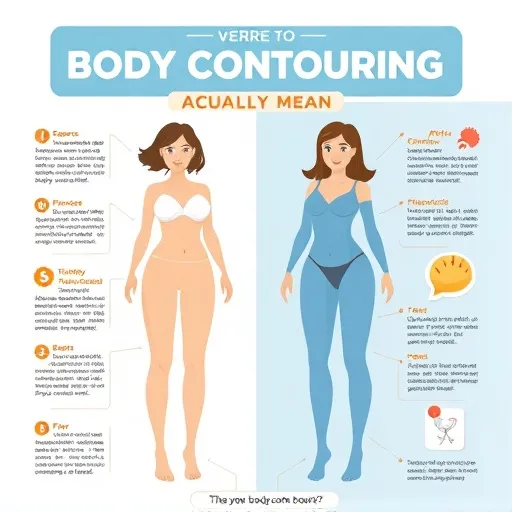
Body contouring in 2
What Does "Body Contouring" Actually Mean in 2026?
So here's the thing about body contouring in 2026 — it's become a massive umbrella term that covers everything from completely non-invasive energy-based treatments to minimally invasive in-clinic procedures, all the way to traditional surgery for people who want dramatic changes. The whole category has blown up in recent years, and honestly, it can feel a little overwhelming when you're just trying to figure out what's what. When most people start researching body contouring before and after results, they quickly realize there's no single "right" approach — just a bunch of different paths depending on what you actually want.
The distinction that really matters for your body contouring before and after expectations comes down to this: non-invasive and minimally invasive treatments are built for refinement, not total transformation. They work best on folks who are already close to their target weight but dealing with stubborn fat pockets or mild skin laxity that just won't budge. Surgical options can deliver way more dramatic changes, but they come with longer recovery and higher risk profiles. Understanding which lane you're exploring shapes literally everything about your body contouring before and after journey.Feltie Godmother
Why Body Contouring Before and After Photos Matter (and Where They Mislead Your Expectations)
Before-and-after imagery is incredibly powerful — and also wildly variable. If you're scrolling through body contouring before and after galleries trying to figure out what's realistic, here's what smart consumers should keep in mind:
- Lighting and angles change everything. A tiny shift in posture, lighting, or camera angle can make body contouring before and after results look way more dramatic than they actually are.
- Timing matters enormously. Many treatments show progressive results over 8–12 weeks, but some body contouring before and after photos are snapped at peak swelling reduction, while others are taken way too early.
- Individual biology varies. Age, skin elasticity, metabolism, and lifestyle all influence outcomes. Two people with identical treatments can have completely different body contouring before and after experiences.
- Some images are enhanced or selectively curated. Not every transformation photo tells the full story — and that's worth remembering when you're comparing your own body contouring before and after progress.
None of this means before-and-after photos are useless — far from it. They're genuinely valuable for understanding the range of possible outcomes. Just treat them as reference points, not guarantees. Your own body contouring before and after results will be uniquely yours.
The Realistic Timeline Between Before and After: What Actually Happens Week by Week
One of the most common questions people ask is: "How long until I see results?" The honest answer depends on the treatment type, but here's a general roadmap that applies across most modern body contouring approaches in 2026.
Weeks 1–2: The Adjustment Phase. Right after most non-invasive treatments, you might notice mild swelling, redness, or tenderness in the treated area. Ironically, this is often when the area looks less defined than before — which is exactly why reputable clinics warn against judging early body contouring before and after results. Your body is in an inflammatory response phase, and that's a completely normal part of the process.
Weeks 3–6: Early Changes Emerge. This is when many people start noticing subtle shifts. Clothes might fit slightly differently. The treated area may feel firmer. For fat-reduction treatments, the body is gradually metabolizing disrupted fat cells, and body contouring before and after changes become more visible during this window.
Weeks 8–12: The Sweet Spot. For most non-invasive and minimally invasive treatments, this is when body contouring before and after results become clearly noticeable. It's also typically when clinics capture their official "after" photos — and it's the fairest comparison point for most assessments.
3–6 Months: Final Results. Collagen production continues, skin tightening effects mature, and fat reduction reaches its peak. Plenty of people report that their final body contouring before and after results at the six-month mark actually exceeded what they saw at three months. Patience isn't just a virtue here — it's a requirement. Anyone promising instant, dramatic body contouring before and after results with non-invasive methods is probably overselling.
Key Factors That Shape Your Body Contouring Before and After Results
No two journeys look alike, and that's not just marketing fluff. Several factors genuinely shape your body contouring before and after outcomes:
- Baseline body composition: Treatments work best for people within a moderate weight range. Significant weight loss goals require a totally different approach.
- Skin elasticity: Younger skin tends to bounce back more readily. Older skin may benefit from treatments combining fat reduction with skin tightening.
- Lifestyle habits: Hydration, nutrition, sleep, and consistent movement all support recovery and body contouring before and after results. Smoking and excessive alcohol can undermine outcomes.
- Treatment consistency: Many protocols require a series of sessions. Skipping appointments can flatten your body contouring before and after progress.
- Provider expertise: The skill and experience of your practitioner matters more than any single device or technique.
A qualified provider should walk through all of these factors during a consultation — and set expectations accordingly. If a consultation feels rushed or overly promotional, that's a red flag worth paying attention to.Feltie Godmother
Non-Invasive vs. Minimally Invasive vs. Surgical: How Body Contouring Before and After Results Compare
When people search for body contouring before and after comparisons, they're usually trying to understand how different approaches stack up. Here's a broad overview:
Non-Invasive Treatments: These include energy-based technologies that target fat cells, stimulate collagen, or build muscle definition without breaking the skin. Body contouring before and after results are gradual and subtle-to-moderate. Downtime is typically minimal — most people return to normal activities immediately. Best for mild to moderate refinement and good skin elasticity.
Minimally Invasive Procedures: These involve small incisions or injections and can deliver more noticeable fat reduction or skin tightening. Recovery is usually a few days to a couple of weeks. Body contouring before and after results are more pronounced but still require patience as swelling subsides.
Surgical Body Contouring: Procedures like liposuction or skin removal surgery offer the most dramatic transformations but involve significant recovery time, higher risks, and substantial cost. These are typically chosen by people with more significant concerns or after major weight loss. Your body contouring before and after results will look vastly different depending on which category you pick — so be honest with yourself about your goals and your willingness to accept downtime and risk.
How to Evaluate Body Contouring Before and After Results Responsibly
If you're researching providers or treatment options, here's a practical checklist for assessing body contouring before and after imagery and claims:
- Look for standardized photos — same lighting, same camera angle, same posture.
- Check whether the timeline is disclosed (when was the "after" taken?).
- Ask whether photos are unretouched.
- Seek out a range of body types and ages, not just one idealized demographic.
- Ask during consultation how many sessions were required to achieve the shown body contouring before and after results.
- Cross-reference reviews, case studies, and independent professional commentary — don't rely on a single source.
A trustworthy provider will welcome these questions. Transparency is one of the clearest signals of quality care.
Common Myths About Body Contouring Before and After Results
Myth: Body contouring is a weight loss solution. Reality: Most non-invasive and minimally invasive treatments are designed for body shaping, not significant weight loss. They're best suited for people near their goal weight.Feltie Godmother
Myth: Results are permanent no matter what. Reality: Fat cells that are destroyed don't typically return, but remaining fat cells can still expand with weight gain. Maintaining a stable lifestyle is essential for long-term body contouring before and after results.
Myth: You can spot-reduce with exercise, so contouring is unnecessary. Reality: While exercise is invaluable for overall health, genetics often determine where fat is stored. Some areas simply don't respond well to diet and exercise alone.
Myth: More treatments always mean better results. Reality: Over-treatment can increase risks and costs without proportional benefit. A good provider will recommend the minimum effective protocol for your body contouring before and after goals.
Setting Yourself Up for the Best Possible Body Contouring Before and After Outcome
If you're seriously considering body contouring, here's how to maximize your chances of a satisfying body contouring before and after experience: get a thorough consultation where a reputable provider assesses your health history and skin condition; clarify what "success" actually means for you (fitting into specific clothing? feeling more confident? reducing a particular fat pocket?); commit to the aftercare plan with hydration, compression garments, and follow-up appointments; take your own progress photos with standardized lighting and angles; and above all, be patient and kind to yourself. Healing takes time, and body contouring before and after results unfold gradually. Comparing your week-two body to someone else's six-month body contouring before and after photo is a recipe for frustration — so don't do it.